Healthcare has invested heavily in access, digital platforms and clinical efficiency. Appointments are easier to book, data flows more freely, and clinical pathways are increasingly digitised. Yet outcomes for chronic conditions such as diabetes, obesity and cardiovascular risk continue to fall short of expectations.
This disconnect raises an uncomfortable question: if the tools are improving, why aren’t outcomes improving at the same pace?
The answer lies beyond the clinic.
For most people living with chronic conditions, health is shaped far less by what happens during appointments than by what happens in daily life. Food choices, movement, sleep, stress, motivation and adherence rarely change because of a single consultation or prescription. They change gradually, through repeated decisions made in real-world contexts.
This is because long-term outcomes depend on what happens between visits, in real life, when no clinician is present and no system is watching.
The problem with engagement-first healthcare
Many digital health solutions optimise for engagement: log-ins, clicks, completed modules. While these metrics are easy to measure, they are not the same as behaviour change. Research consistently shows that engagement peaks early and declines over time when behavioural support is absent. Without reinforcement, accountability and human guidance, even the most sophisticated platforms struggle to sustain impact.
Medication alone faces similar limits. While pharmacological treatments are essential, evidence increasingly shows that medication without behavioural change delivers diminishing returns in chronic disease management. Weight regain, poor adherence and relapse remain persistent challenges.
The implication is clear: scaling healthcare delivery without addressing behaviour simply scales inefficiency.
Behaviour as a clinical intervention
What works better is a behaviour-first model, where lifestyle change is treated as a clinical intervention rather than an optional add-on. Studies from the UK and Europe show that digital programmes combining behavioural science, coaching and continuous support can deliver meaningful improvements in HbA1c, weight, blood pressure and patient confidence, often sustained over 12 months and beyond.
Crucially, these outcomes are strongest when behaviour change is embedded into care pathways, not delivered as standalone content. Asynchronous coaching, personalised goal-setting and regular feedback allow support to continue between visits, without adding pressure on clinical teams.
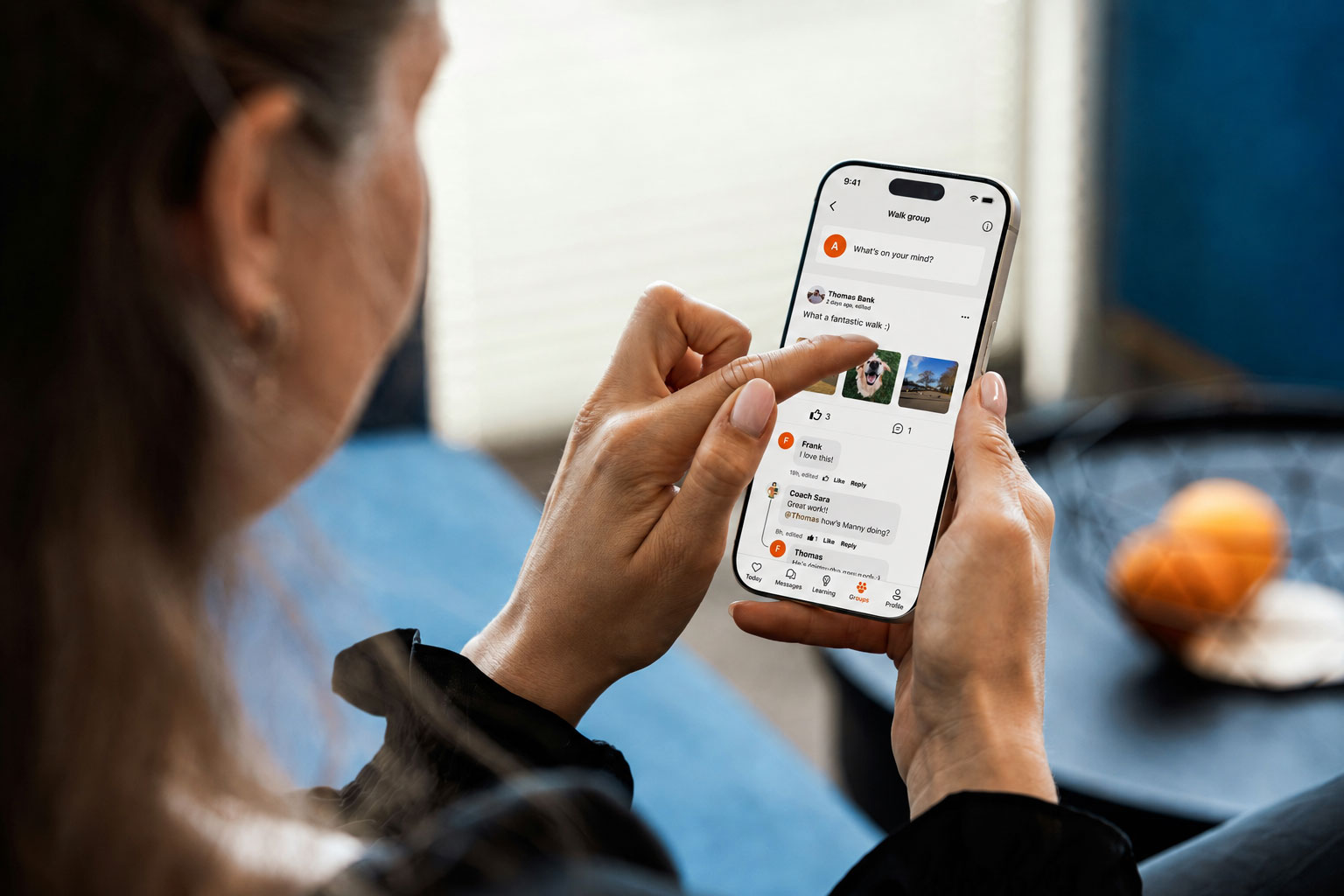
This is where digital care pathways become powerful. Not as apps, but as systems that operationalise behaviour change at scale.
A different way to think about digital health
At Liva, behaviour is not positioned as motivation or education alone. It is designed as part of treatment. Programmes are built on behavioural science, delivered through technology, and supported by trained healthcare professionals. The focus is not short-term engagement, but long-term outcomes: supported consistently, between appointments, in the context of real life.
For private hospitals and clinics, this approach offers a way to extend care beyond the consultation room without increasing headcount. For public systems, it provides scalable prevention and chronic care that protects capacity over time.
The future of healthcare will not be defined by better dashboards or more notifications. It will be defined by whether systems can support people when it matters most; outside the clinic, between visits, and over the long term.
Because behaviour isn’t a nice-to-have.
It’s the missing medicine.

.jpg)