
Start with a number that reframes the whole question. Of the roughly £10.7 billion the NHS spends on diabetes each year, about £6.2 billion goes on complications rather than on diagnosis or routine care, according to Diabetes UK.
Read that from an insurer's seat. The expensive part of a chronic condition is not the diagnosis, but everything that goes wrong afterwards, slowly, in the months when no one is watching. That is where a digital programme either earns its fee or does not.
Where the savings actually sit:
- Keeping members in control between appointments, so slow decline does not become an expensive escalation.
- Prevention, so a member at risk never develops the condition you would fund for a decade.
A programme that does one of these can move your claims line. One that only adds an app usually cannot, because a login is not a clinical event and clinical events are what you pay for.
Why most digital health never touches a claim
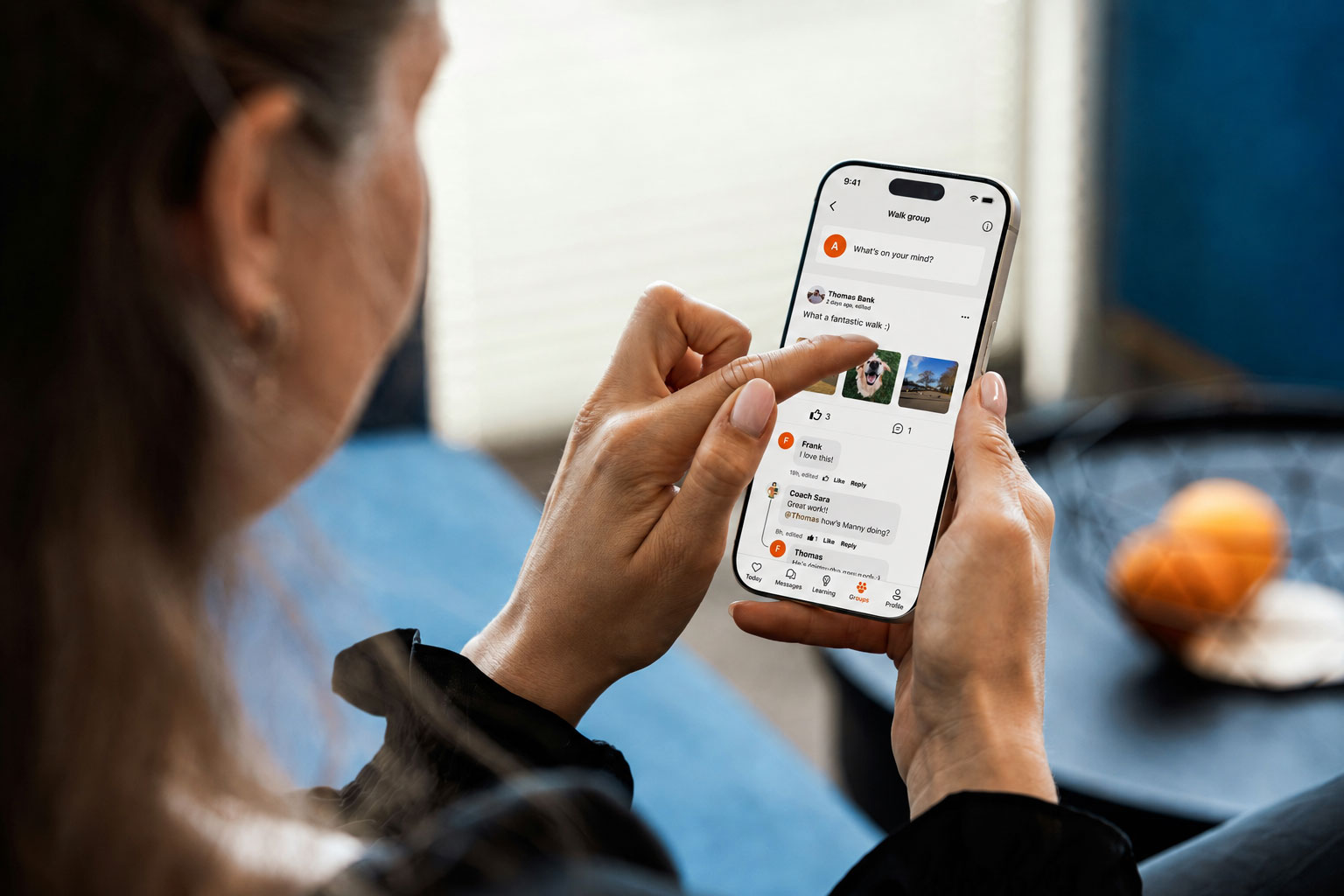
An insurer can roll out a wellness app to every member and watch the claims line hold perfectly flat. The reason is simple: people download the app in January and forget it by February, and a forgotten app changes nothing.
We have argued before that patient engagement is a science rather than a feature. For a funder, that distinction is the whole game. If a programme cannot hold people, it cannot move cost, however good the interface looks in a demo.
The one mechanism that actually moves cost
If you take one thing from this piece, take this: the single mechanism that moves claims cost is sustained engagement in the gap between clinical contacts. Everything else is secondary.
Picture a member whose blood pressure creeps up over six weeks. Nobody sees it, because the next appointment is months away, and it surfaces as an A&E visit that a fortnight of adjustment would have prevented. A programme that notices the climb in week two, and prompts a change, turns that admission into a text message. Multiply that across a high-risk cohort and the arithmetic starts to favour the programme quickly.
So when you assess a partner, ask to see engagement at month twelve, not month one.
The claim that never arrives
The other place real savings sit is upstream, before a condition is coded at all. A member at metabolic risk who changes their behaviour early, and does not progress to a long-term condition, is a claim that never lands on your books.
The catch is timing. This return is actuarial and slow, and most ROI models use a window too short to see it. That is a measurement problem rather than a value problem, and it is the trap our framework for measuring prevention ROI is built to unpick. Judge a prevention programme on whether it holds people over many months, because early risk reversal only counts on your ledger if it lasts.
How to compare programmes without being sold to
Judge a programme on where its savings come from - wo questions do most of the work:
- Which members does this affect, specifically?
- By when does it affect them?
Your actuarial team and bodies like the Association of British Insurers will want that precision anyway, so ask for it in the first meeting. A partner that cannot describe its own cost mechanism in a plain sentence is unlikely to produce one in your claims data.
How Liva approaches this for insurers
Liva combines a digital platform with evidence-based programmes and managed delivery, so an insurer can run prevention and chronic condition management through a single partner. The whole model is built around sustained engagement, because that is the variable that decides whether a member stays long enough for their health, and the cost attached to it, to change. Programmes run around your existing member pathways, and the commercial model can be shaped around the population you most want to protect.
Our takeaway: the programmes worth funding stay present in the months where complications build, and hold a member long enough to prevent them. When you compare options, keep asking the same thing: show me who this changes, and by when.
If you want to look at where the savings could sit in your own member population, talk to our team.